News and media coverage
The Family Literacy Project is Changing how the Story Ends
In this Right to Read Campaign spotlight, we look at how the Family Literacy Project helps children in rural KwaZulu Natal learn to read in isiZulu. Through home visits, community libraries and a network of local Reading Champions, the project brings books closer to families and supports caregivers and teachers as children take their first steps towards reading for meaning.
As part of the Right to Read Campaign’s commitment to showcasing organisations that are transforming literacy outcomes in South Africa, we are proud to spotlight the Family Literacy Project (FLP), a non-profit organisation that has spent over 26 years nurturing a love of reading in some of the most remote rural communities of KwaZulu-Natal.
Founded in 2000 by Dr Snoeks Desmond, FLP was set up in response to findings that the early literacy levels of pre-school children were not improving, despite government interventions in the early childhood sector. In deep rural areas, homes had few books, and many caregivers had received little schooling or had lost their literacy skills through lack of use. FLP’s answer was to work with whole families, guided by a simple conviction: families are the first and most important teachers a child will ever have.
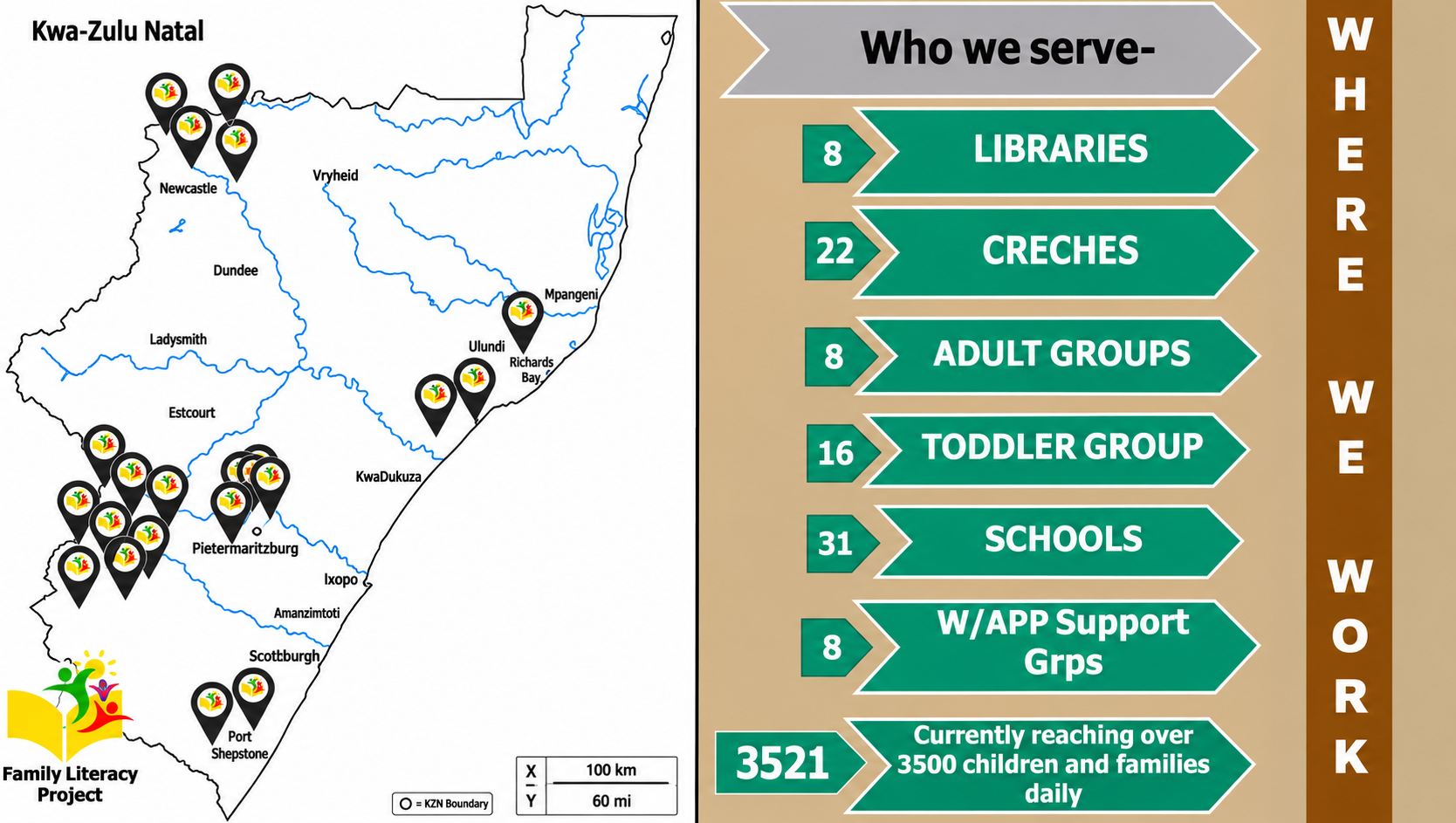
Based in Underberg in the Southern Drakensberg and led by Director Pierre Horn, FLP today works across a network of sites in KwaZulu-Natal that includes eight libraries, 22 crèches, 31 schools, 16 toddler groups, eight adult groups and eight WhatsApp support groups, currently reaching more than 3,500 children and families. Its flagship programmes, Reach Out to Read and Khulisa Abantwana, combine structured home-language reading instruction with support for the caregivers who shape a child’s earliest experiences of stories.
Literacy That Begins at Home
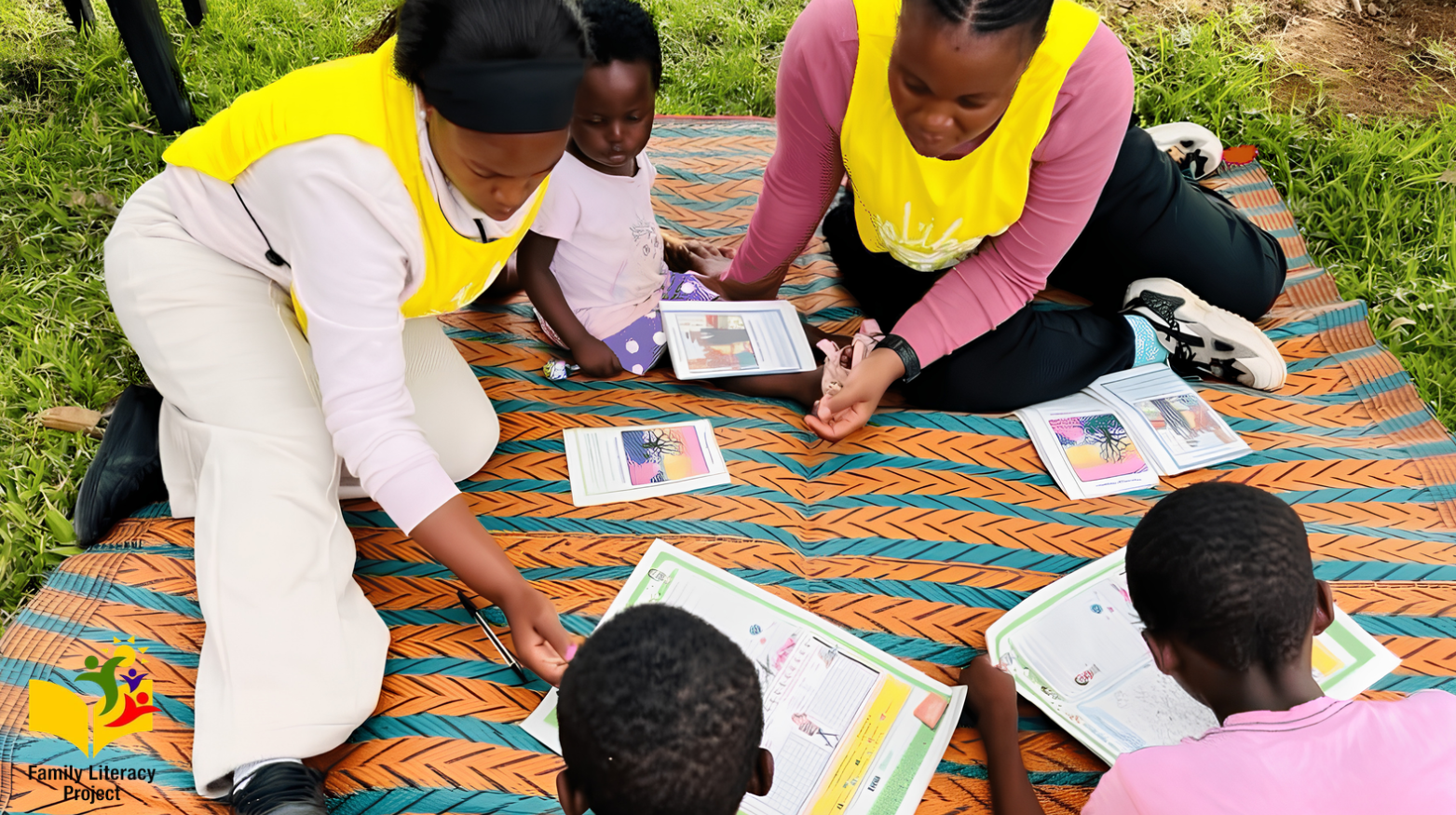
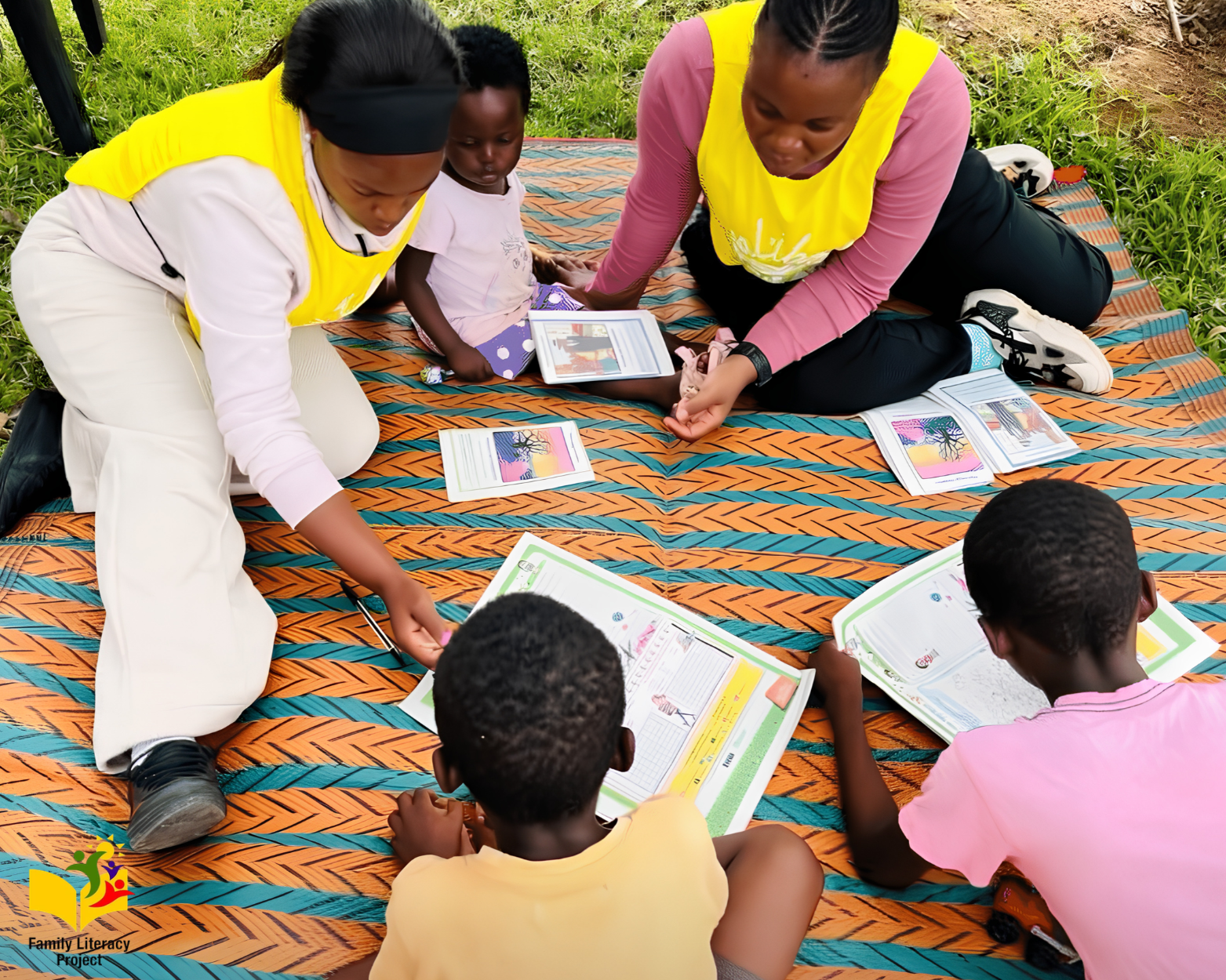
FLP’s work starts with adults. Its adult literacy groups use the participatory REFLECT methodology, linking literacy learning to issues members raise themselves, such as health, food gardens and family life. Some members have progressed from learning to sign their own documents to using ATMs and cell phones with confidence. The groups also encourage caregivers to talk with their children, read together and practise letter sounds, carrying the tools of Reach Out to Read into homes across the community.
Through Khulisa Abantwana, FLP’s home visiting programme, trained group members visit neighbouring households with toddlers, carrying a bag of educational toys and storybooks and following a planned programme that involves the whole household. Over time, overburdened and often reluctant grandmothers begin to see the value of focused time with their toddlers, and children who might otherwise be isolated are better prepared for school.
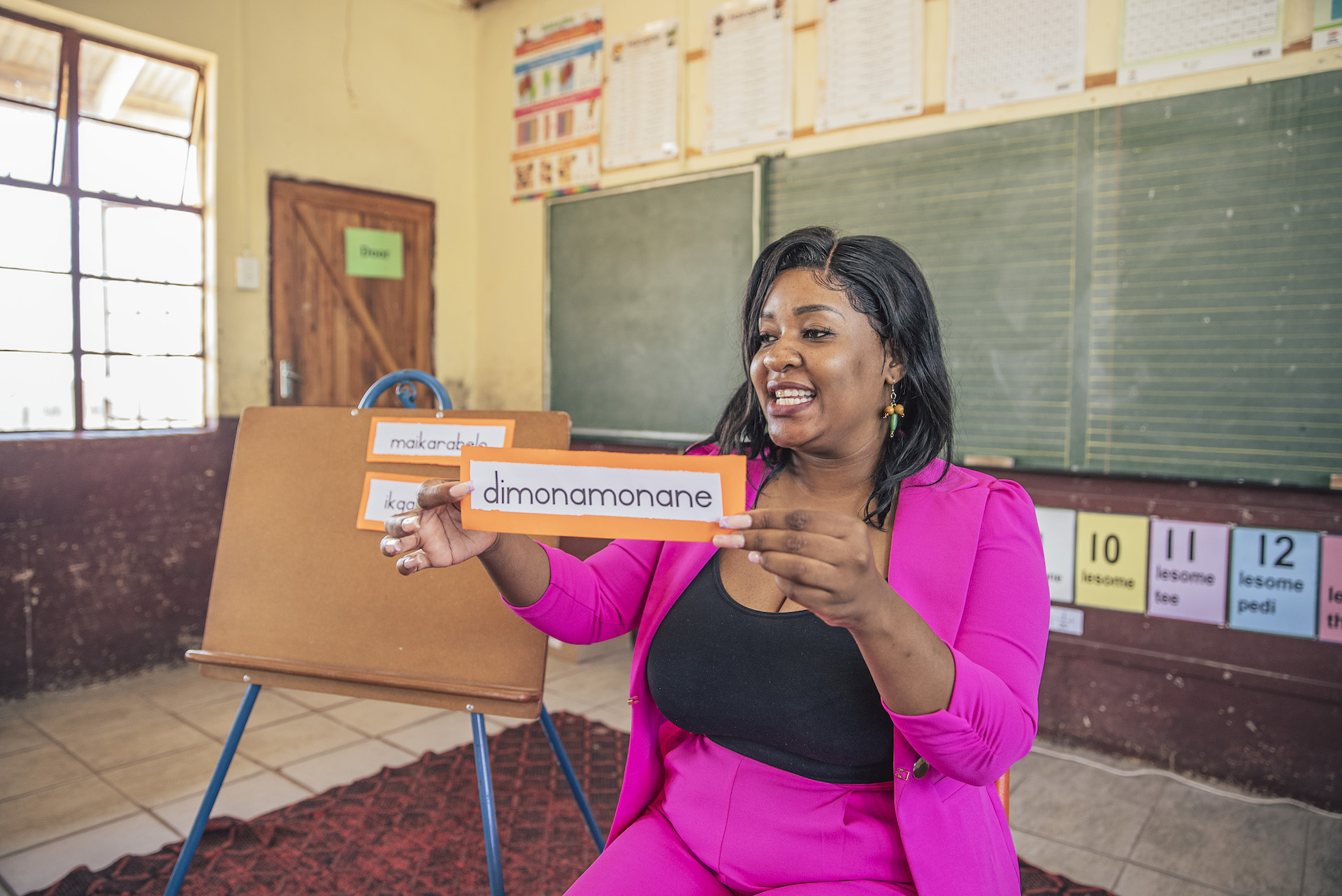
FLP also supports crèche and Grade R teachers through a play-based Reach Out to Read Level 0, which uses songs, stories, rhymes and games to build the early language and listening skills on which later reading success depends.
Reach Out to Read: Strong Foundations in isiZulu
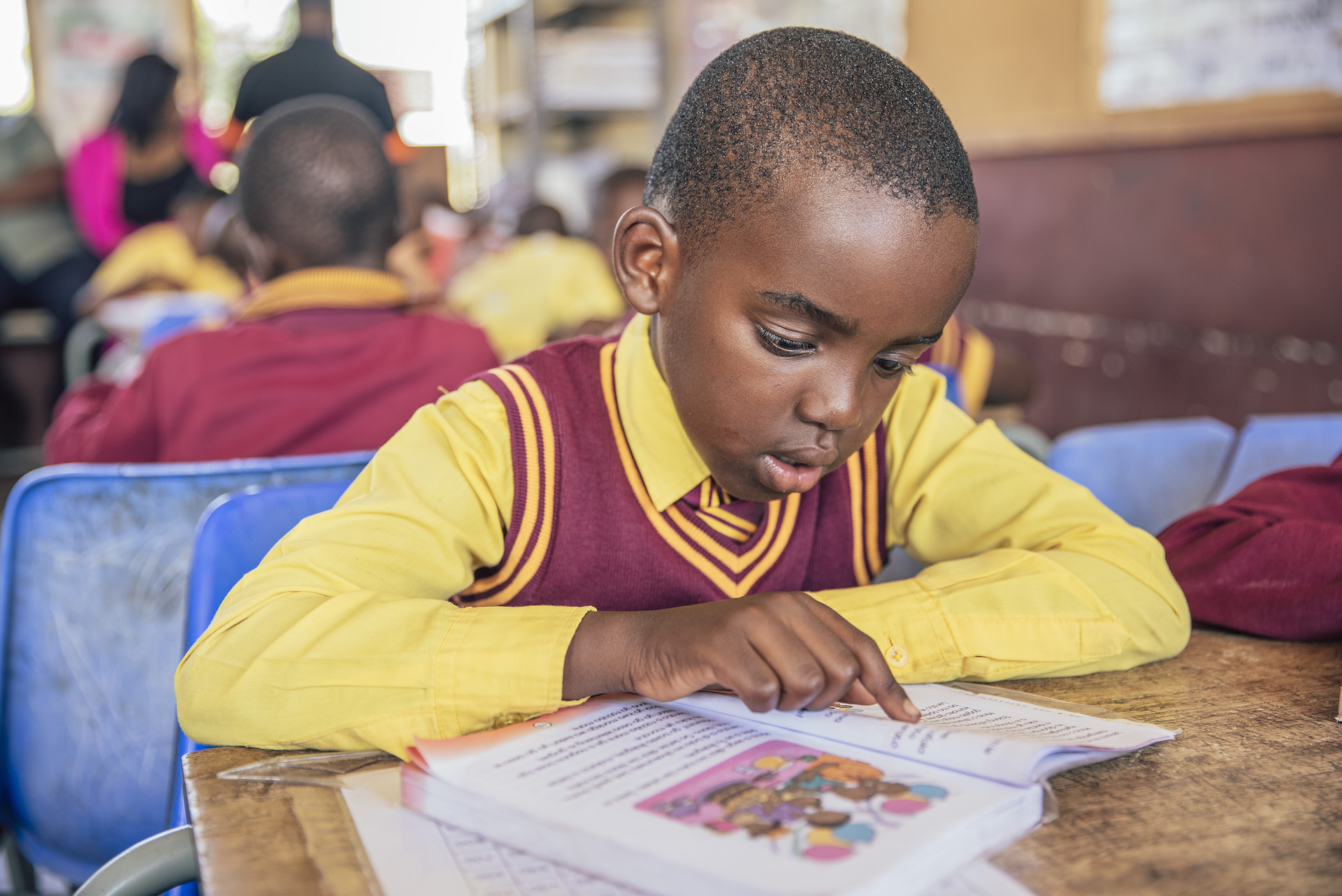
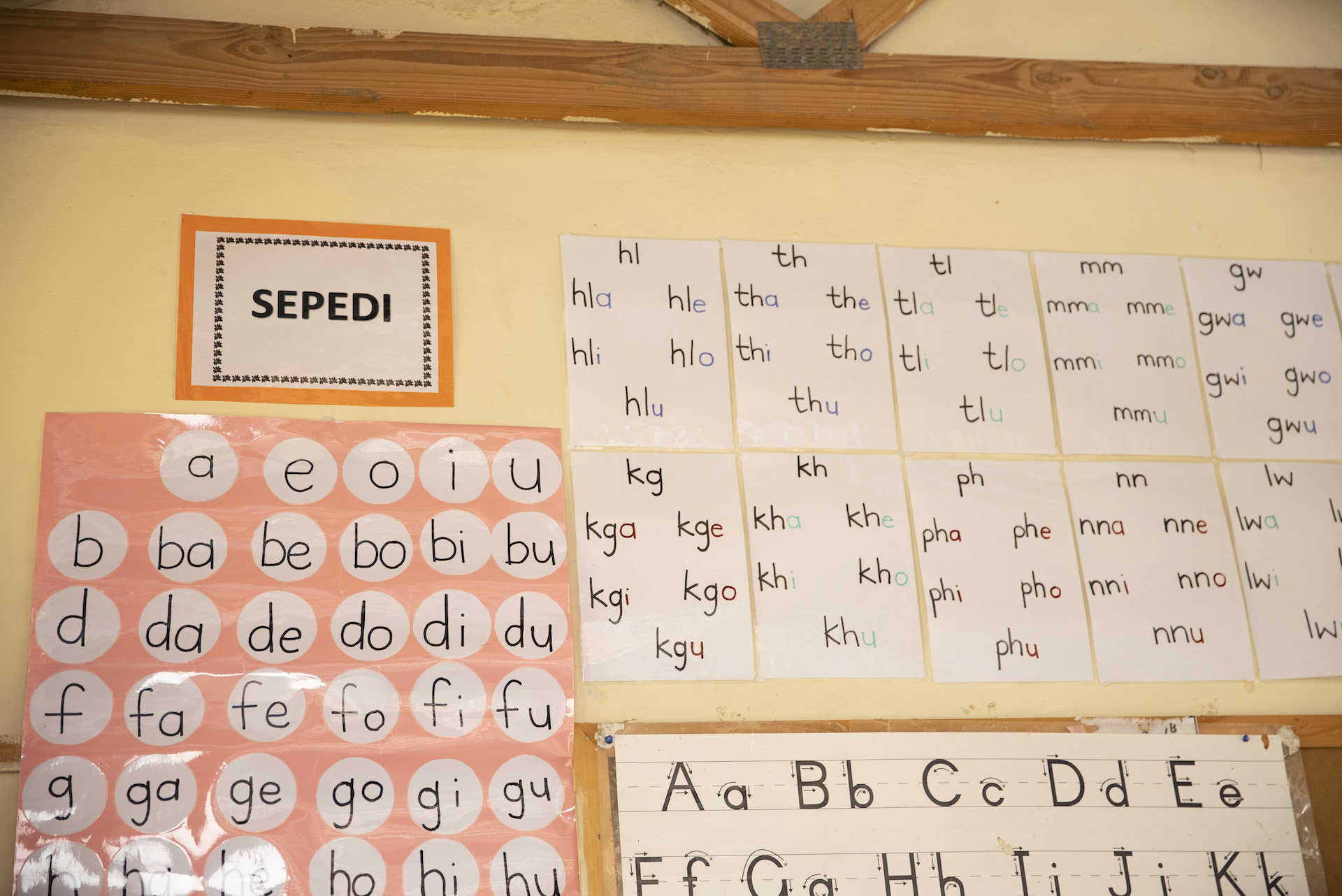
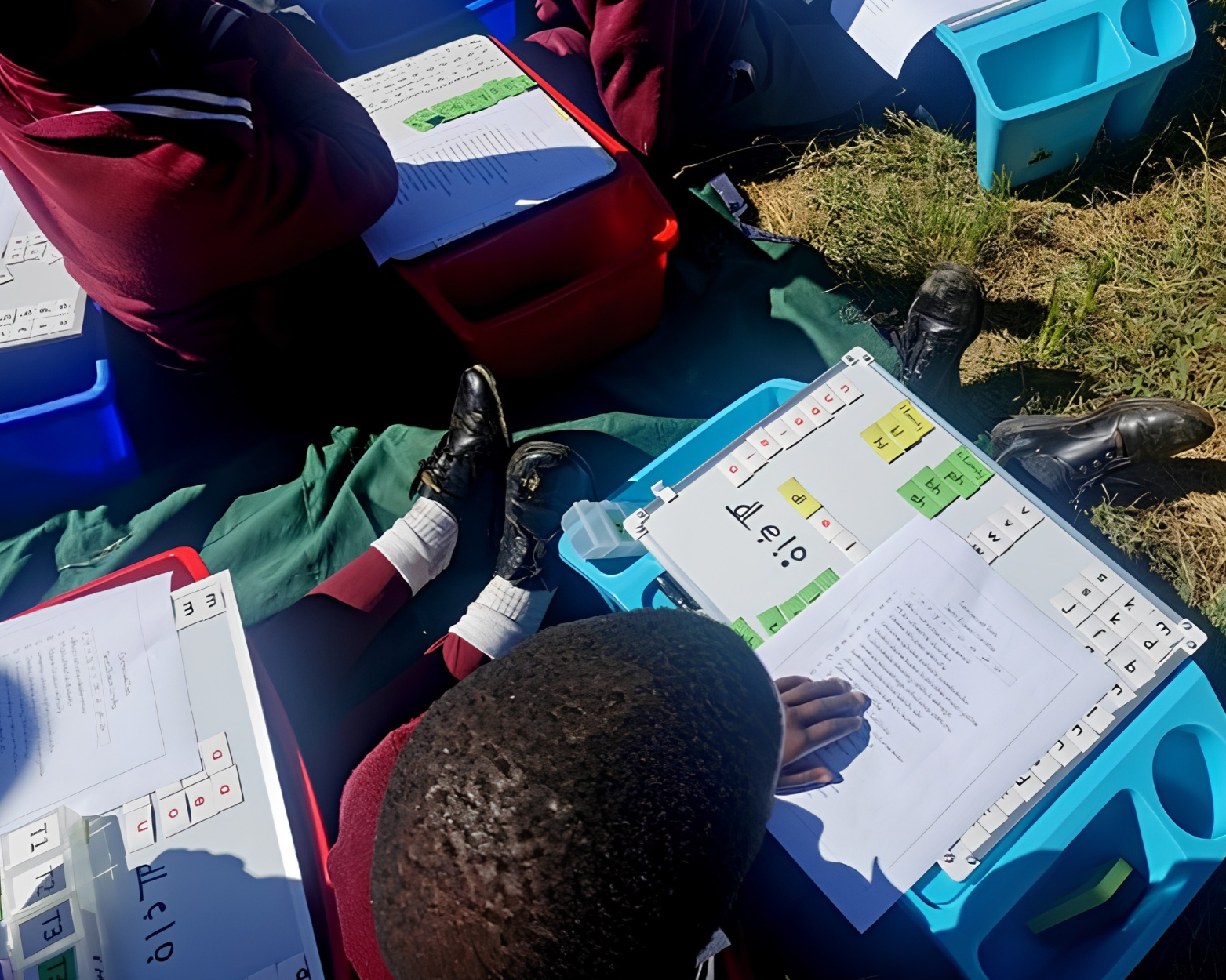
At the heart of FLP’s school-based work is Reach Out to Read (ROTR), a structured, evidence-based isiZulu reading programme that guides learners through a clear, four-level reading journey. Its kits, which include lesson guides, graded isiZulu readers and multi-sensory materials, are designed for low-resource classrooms and community spaces, and teachers receive training and ongoing mentorship, including a five-day Educator In-Service Training programme grounded in the science of reading.
When Daily Maverick visited Goxhill Primary, a farm school in Underberg, in 2025, it found Grade R learners forming letters in boxes of sand and learning sight words drawn from everyday life, such as the names of local shops, all in isiZulu. Each participating class also receives a small classroom library.
The results are promising. When Thanda, a rural education non-profit, piloted ROTR at Msinsini Primary School in Mtwalume, KwaZulu-Natal, its Grade 1 learners improved by over 800% in letter sounds and nearly 3,000% in passage reading over eight months, as measured by the Early Grade Reading Assessment (EGRA). FLP reports that a single trained Reading Champion, working in a school for one term, can move learners up three reading levels.
Reading Champions: Building Literacy and Livelihoods
FLP recognises that the literacy crisis and youth unemployment are closely connected. Through ROTR, it trains Reading Champions, previously unemployed young people aged 18 to 35 from local communities, to support children, teachers and caregivers in schools, libraries and community spaces. Champions are trained over two years to teach isiZulu reading from Grade R to Grade 3 and receive a stipend, while gaining facilitation, leadership and workplace skills.
Nkosikhona Msiya’s journey shows what this can mean. While working as a gardener at an orphanage in Underberg, he spent his afternoons helping children with homework, and was soon introduced to FLP and trained as a literacy champion. He is now completing a Bachelor of Education degree through UNISA and serves as an ROTR facilitator and trainer. “Being part of this project has helped me as I’ve gained a lot of skills, like how to teach and how to deal with children who have challenges,” he told Daily Maverick. During the COVID-19 pandemic, Reading Champions kept children learning through WhatsApp groups and community sessions while schools were closed.
FLP’s training offering also includes Asifunde Sonke (“Let Us Learn Together”), a two-year, SAQA-accredited Level 5 ECD teacher training course in Himeville, with classes on Saturdays and during school holidays so that students can keep working.
Bringing Books Closer to Home
In many of the communities where FLP works, public libraries are non-existent or many kilometres away. Since opening its first community library at Stepmore in 2003, FLP has built six community libraries and reading centres, including two purpose-built container libraries, and has refurbished, equipped and stocked an additional library in a rural primary school. Where no permanent facility exists, box libraries and hanging libraries bring books into homes, schools and ECD centres.
Stocked with books in isiZulu and English, these libraries are community hubs for borrowing, reading clubs, storytelling and holiday reading programmes. FLP reports 7,120 attendees at its holiday reading programme and 7,571 books borrowed from its community libraries.
Partnerships That Sustain the Work
FLP’s reach has been built through partnerships with corporates, foundations, public funders, local businesses and fellow literacy organisations. Its supporters include Mondi, The LEGO Foundation, the Oppenheimer Memorial Trust, the National Lottery Distribution Trust Fund, Saide, Book Dash, African Storybook, Thanda, Lenovo, N3TC, the Rotary Club of Underberg and Underberg SuperSpar. It also partners with Bridgewater State University in the United States on a service-learning course that brings students and staff to Underberg.
Sustained funding remains a challenge: Daily Maverick reported in 2025 that FLP had been unable to retain many of the Reading Champions it trained during the pandemic after losing funding. Yet the model is cost-effective, with Horn estimating the cost of supporting a school at roughly R8,000 to R12,000 per grade. FLP invites partners to help expand Reach Out to Read, sponsor a community or container library, or fund a Reading Champion in a rural school, and welcomes donations of books, toys and craft supplies.
Why the Family Literacy Project’s Work Matters
According to the Progress in International Reading Literacy Study (PIRLS) 2021, 81% of Grade 4 learners in South Africa cannot read for meaning in any language. Children in rural communities, where books are scarce, are among those most at risk of being left behind.
FLP’s response is holistic, strengthening literacy at home, in the classroom and in the community at once. Its work speaks directly to the 4Ts that underpin the Right to Read Campaign’s draft literacy regulations. It puts texts in children’s hands through libraries, classroom book collections and graded isiZulu readers; it invests in teacher training and ongoing mentorship; it extends the time children spend reading through structured lessons, reading clubs and holiday programmes; and it tracks learners’ progress through a levelled reading journey, with assessments such as EGRA (testing) used to measure results. In doing so, FLP shows what minimum standards for Foundation Phase literacy can look like in practice, even in the most under-resourced settings.
Its emphasis on home-language reading, empowering caregivers and creating opportunities for local youth reflects the principles championed by the Campaign: that every child, wherever they live, has the right to learn to read for meaning.
“By the time a child walks into a Grade R classroom, their reading journey should already be well underway through bedtime stories, picture books, songs, and conversations that build vocabulary and imagination.”- Pierre Horn, Director, Family Literacy Project
For more information about the Family Literacy Project and partnership opportunities, visit: https://www.familyliteracyproject.co.za/ or contact Pierre Horn on 083 709 8900 or director@familyliteracyproject.co.za
Share this: