Advocacy Workshops
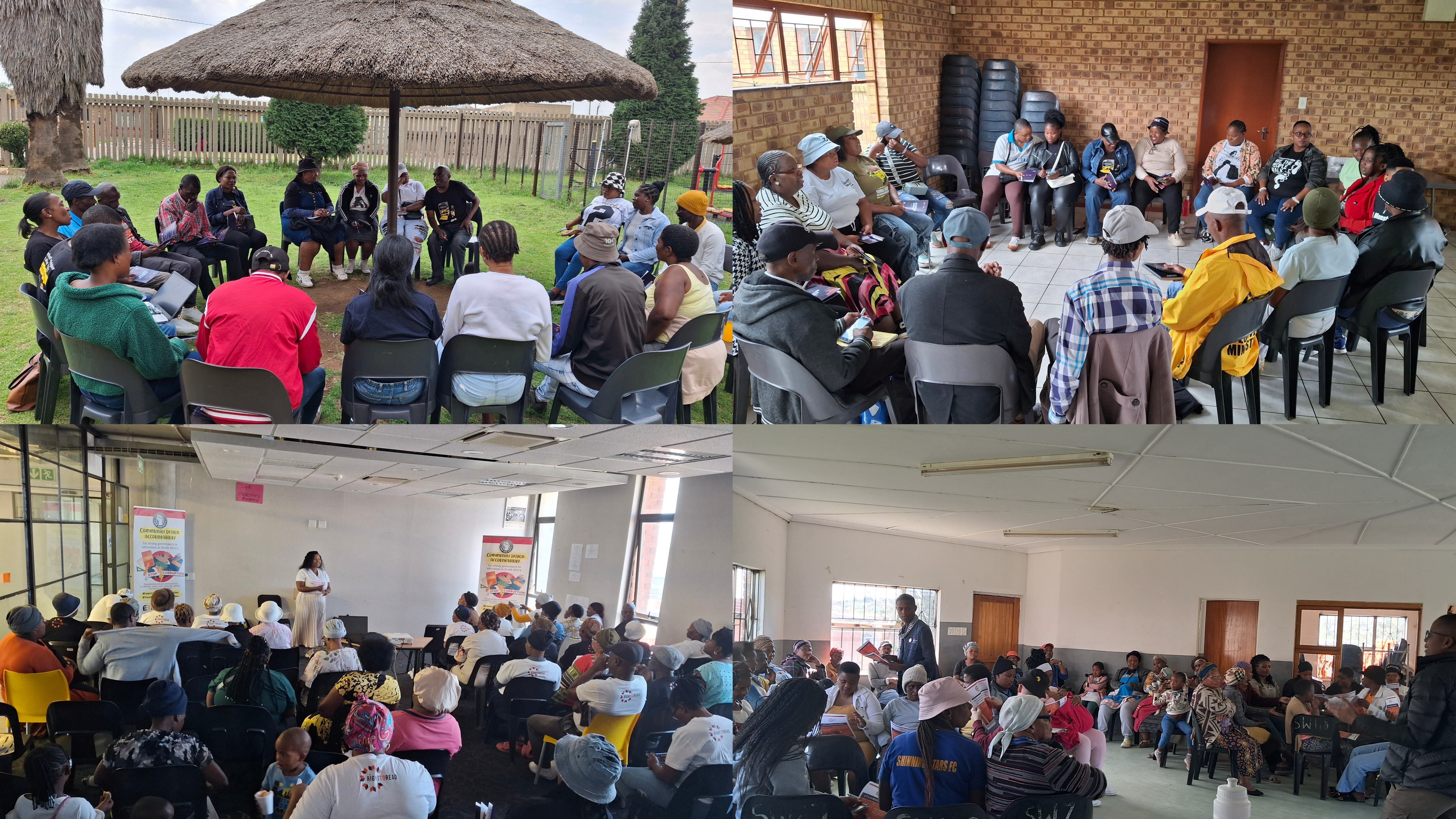
Activations
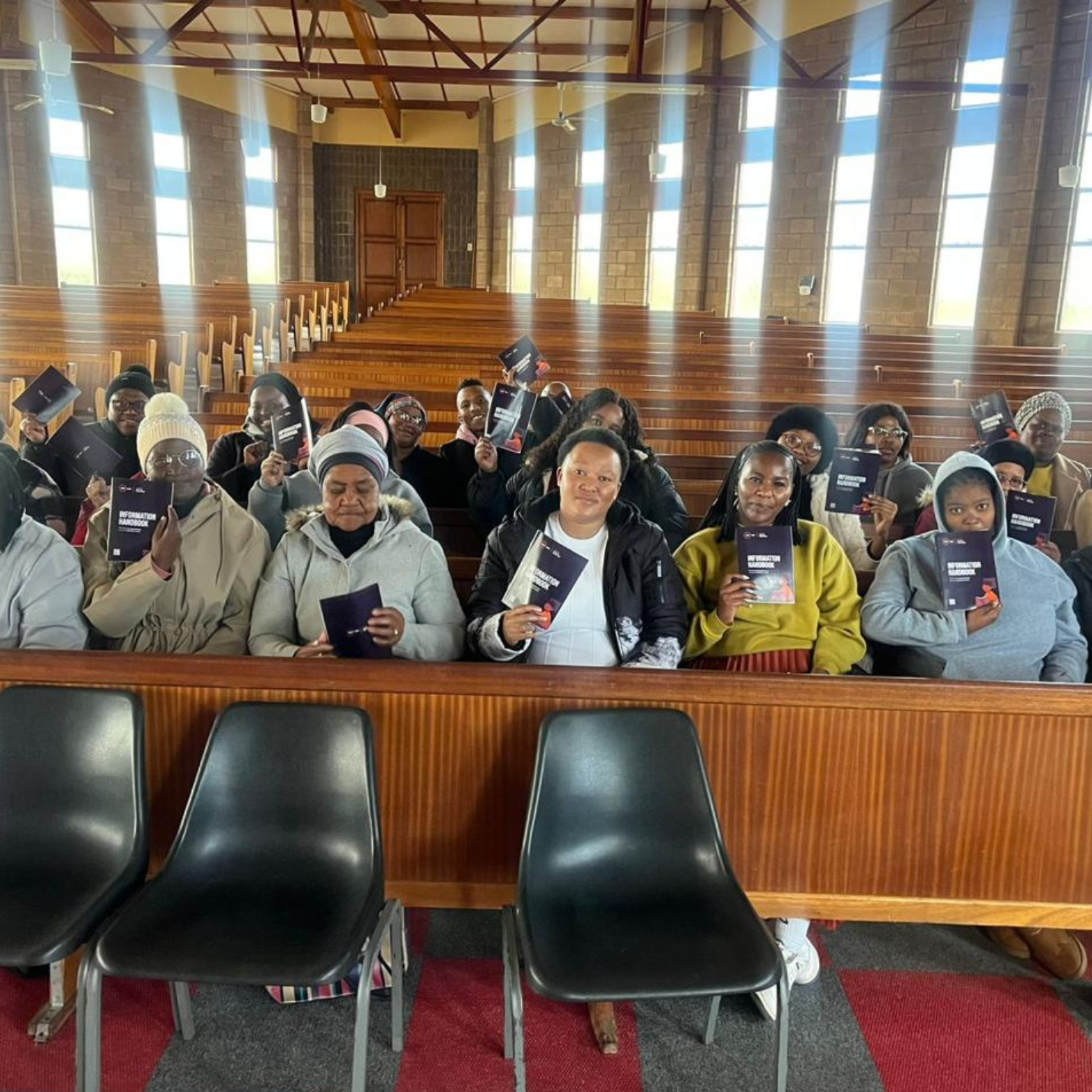
Communities Coming Together for Literacy
10 May 2026
On 10 May 2026, the Right to Read Campaign hosted a community activation at the Methodist Church, Shaw Memorial in Makhanda following an invitation to engage on the literacy crisis affecting children across South Africa.
The conversation was a reminder that addressing the literacy crisis is not the responsibility of schools alone. It requires communities, families, faith organisations, educators, and civil society to come together, have honest conversations, and work collectively to ensure every child can read for meaning and learn with confidence.
The Right to Read Campaign believes that communities are part of the solution. If your school, church, organisation, or community would like to host a Right to Read activation or engagement, we encourage you to reach out to us.
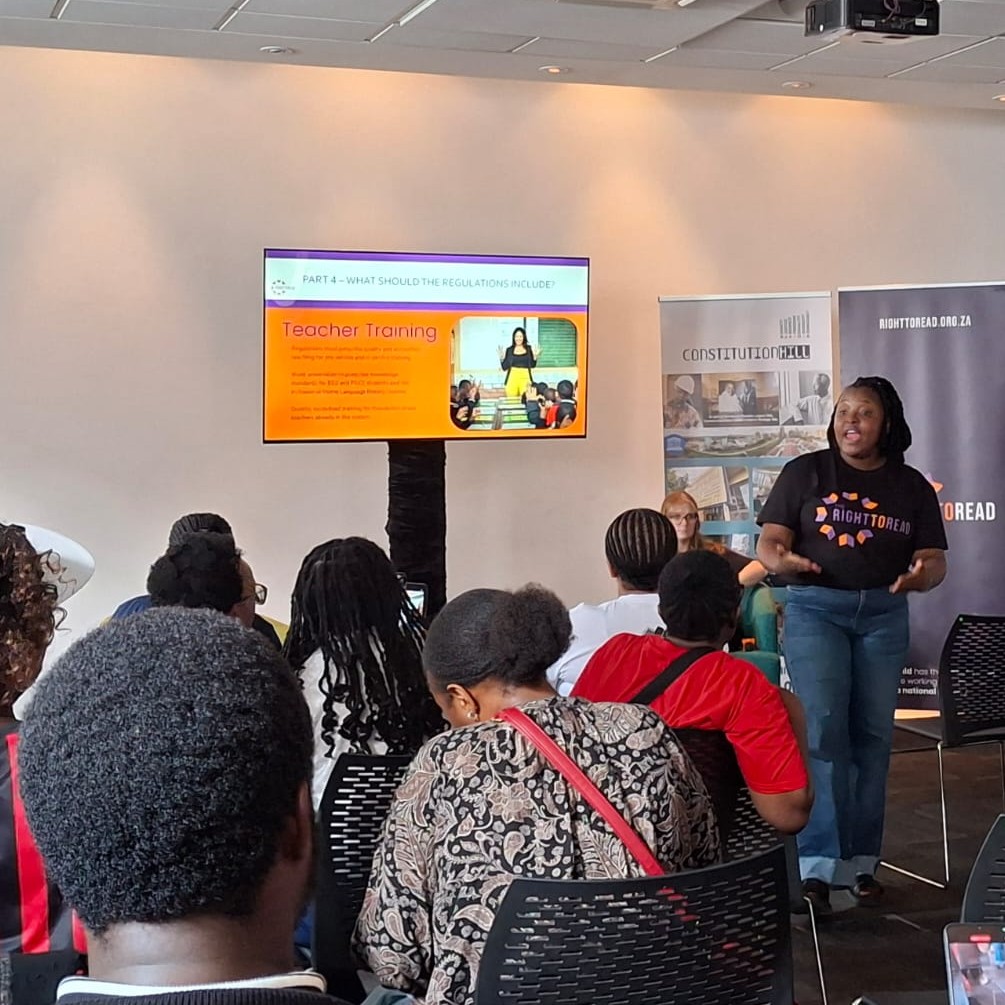
Bringing the Right to Read to Constitution Hill
27 March 2026
The Right to Read Campaign hosted an activation at the Human Rights Festival at Constitution Hill, creating space for conversations on South Africa’s literacy crisis and what it will take to ensure every child can read for meaning. The activation focused on the need for binding national literacy regulations. Without clear and enforceable standards, progress remains uneven and too many learners are left behind. Festival goers engaged with the Campaign on what these regulations could look like in practice, and why they matter for classrooms across the country. These conversations are part of a broader effort to ensure reforms are shaped by the realities learners, families, and educators face every day.
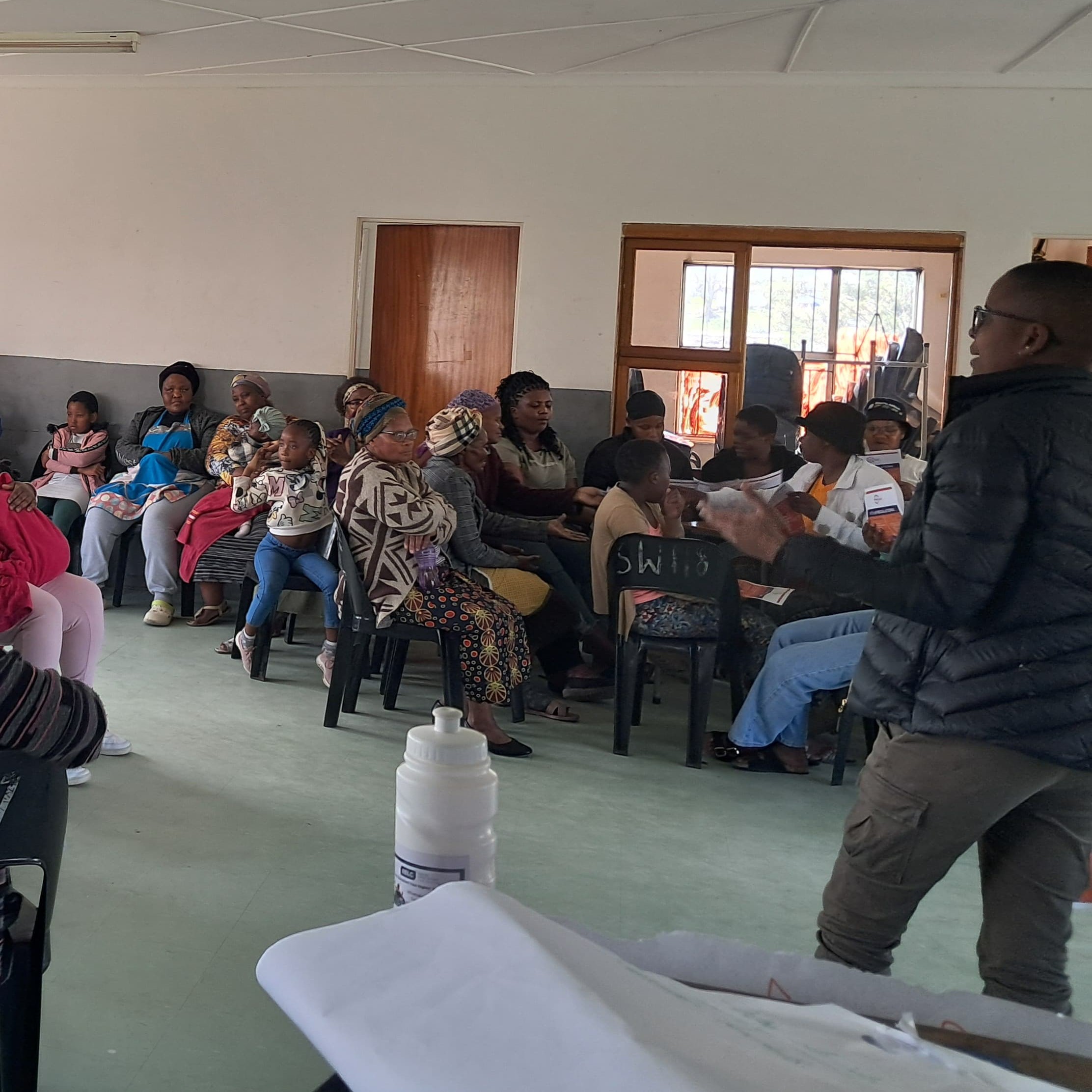
Turning commitments into action for reading in the Eastern Cape
04 November 2025
The Right to Read Campaign recently joined Equal Education in the Eastern Cape for a community activation focused on South Africa’s literacy crisis and the urgent need for every child to read for meaning. The discussion also centred on the Campaign’s call for stronger national regulations. Clear, enforceable standards are essential if the system is to support consistent teaching, proper resourcing, and accountability across provinces. Parents and Equal Education members began engaging with the draft regulations and what they could look like in practice. This marks an important step in shaping reforms that reflect the realities learners and families face, and in building a shared understanding of what meaningful change requires.
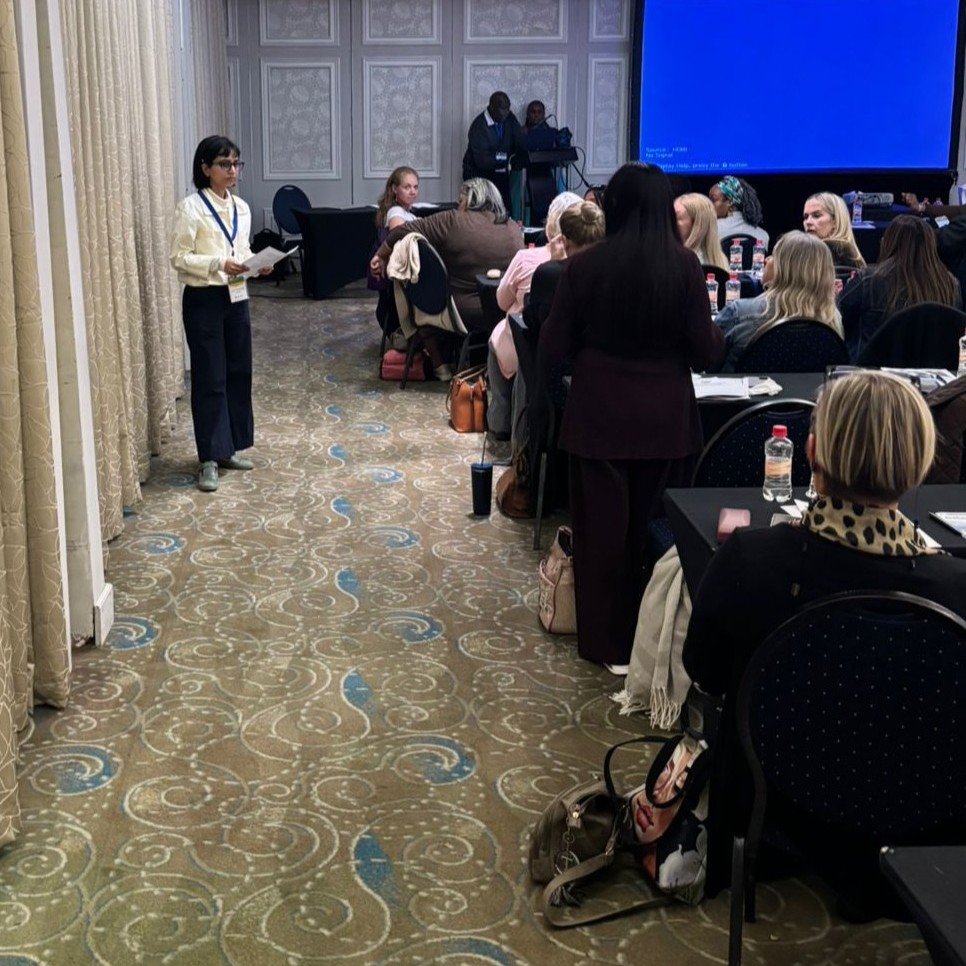
Building Practical Solutions to Strengthen Literacy in Durban
05 August 2025
We held our first Right to Read activation in Durban, bringing together teachers, literacy assistants, early childhood development practitioners, parents, and community groups to engage with the literacy challenges facing children across the country. The session created space for discussion on the campaign and what binding national reading regulations should include.
Participants shared practical steps to support children to read for meaning by age 10, including early grade reading assessments, stronger teacher support, access to books in home languages, reading coaches, and clear systems for reporting and accountability. The activation also strengthened a growing network committed to advancing literacy in classrooms and communities.
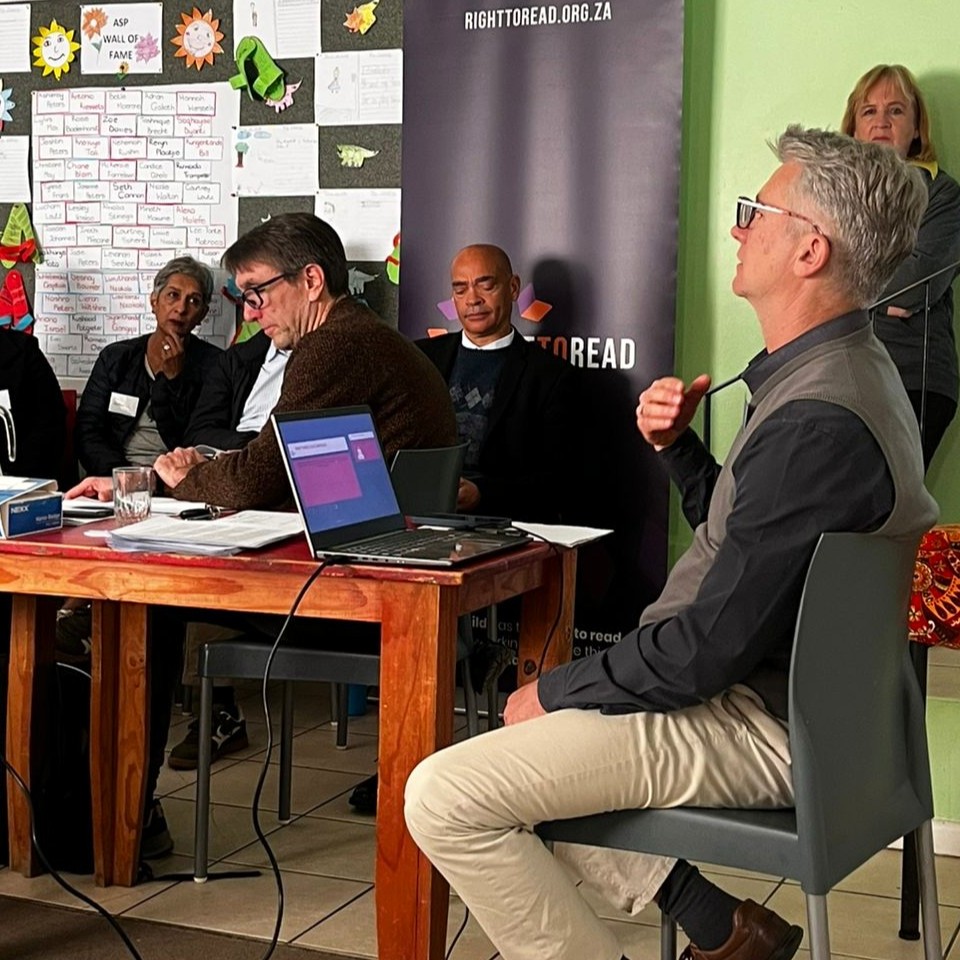
Advancing Literacy Through Community Led Engagement in Makhanda
24 June 2025
The Right to Read Campaign hosted an activation at the Lebone Centre in Makhanda, bringing together teachers, literacy assistants, early childhood development practitioners, and community members working to support reading in their spaces. The session created a platform for discussion on the literacy challenges facing children, grounded in the realities of classrooms and communities, while also engaging with the campaign’s push for binding national literacy regulations.
Participants reflected on both the scale of the challenge and practical ways to strengthen early learning and support children to read for meaning. What emerged was a shared commitment to ensuring every child can read in a language they understand by the age of ten, alongside a recognition that lasting change must be built with and informed by the work already happening on the ground.